Whether you’re a serious athlete, a weekend warrior, or a family looking for a fun way to stay active year-round, an indoor basketball court is one of the most exciting home features you can build. From choosing the right flooring to planning lighting and custom features, there are countless ways to make the space functional, durable, and unique to your lifestyle.
Below, we’ll walk through every key decision you’ll need to make when designing your indoor basketball court.
Before diving into finishes, you’ll need to determine how much space you have and what type of court you want:
Full Court – Typically 94’ x 50’ (NBA regulation) or 84’ x 50’ (high school regulation).
Half Court – Great for tighter spaces, usually 47’ x 50’ or smaller custom sizes.
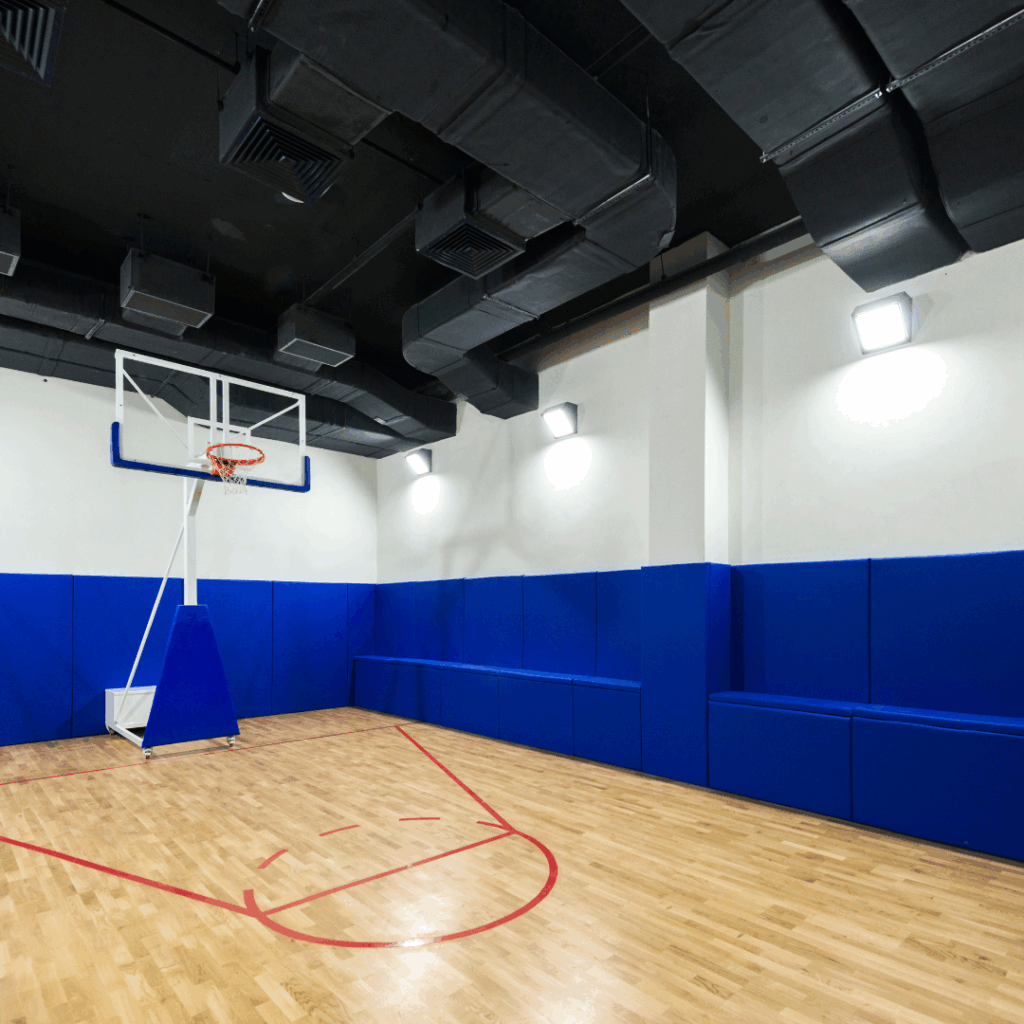
Multi-Sport Court – Combine basketball with volleyball, pickleball, or futsal by using multi-line markings and adjustable equipment.
Tip: Even if you’re building a smaller half-court, leave extra space around the perimeter for safety and comfort.
Your court’s playing surface is one of the most important decisions—it affects performance, comfort, and maintenance.
Popular Options:
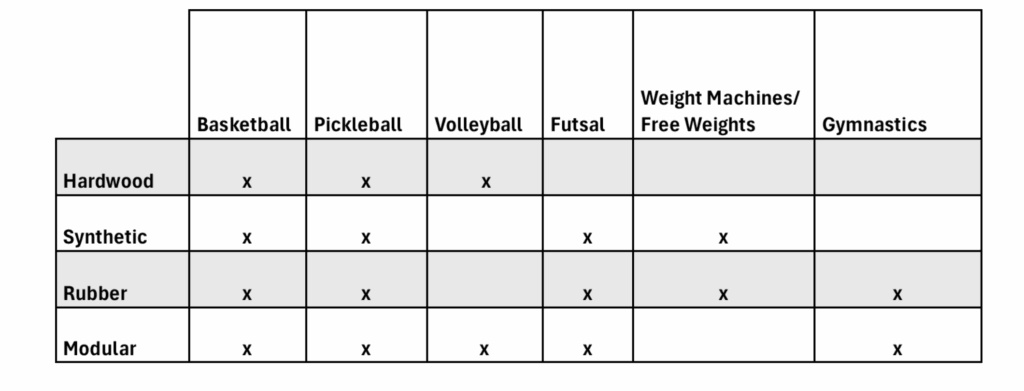
Maple Hardwood – Classic NBA feel, premium look, excellent bounce. Requires professional installation and regular maintenance.
Engineered Wood – Similar look to hardwood with better moisture resistance.
Synthetic Sports Flooring – Rubber or vinyl tiles designed for shock absorption and low maintenance.
Polypropylene Snap-Together Tiles – Durable, easy to install, and often used for multi-purpose gyms.
Versa Court – Modular, shock-absorbing tiles that play like hardwood, customizable with colors, logos, and multi-sport lines. Durable, easy to maintain, and available in full design kits.
The materials and finishes you choose here can enhance safety, acoustics, and aesthetics:
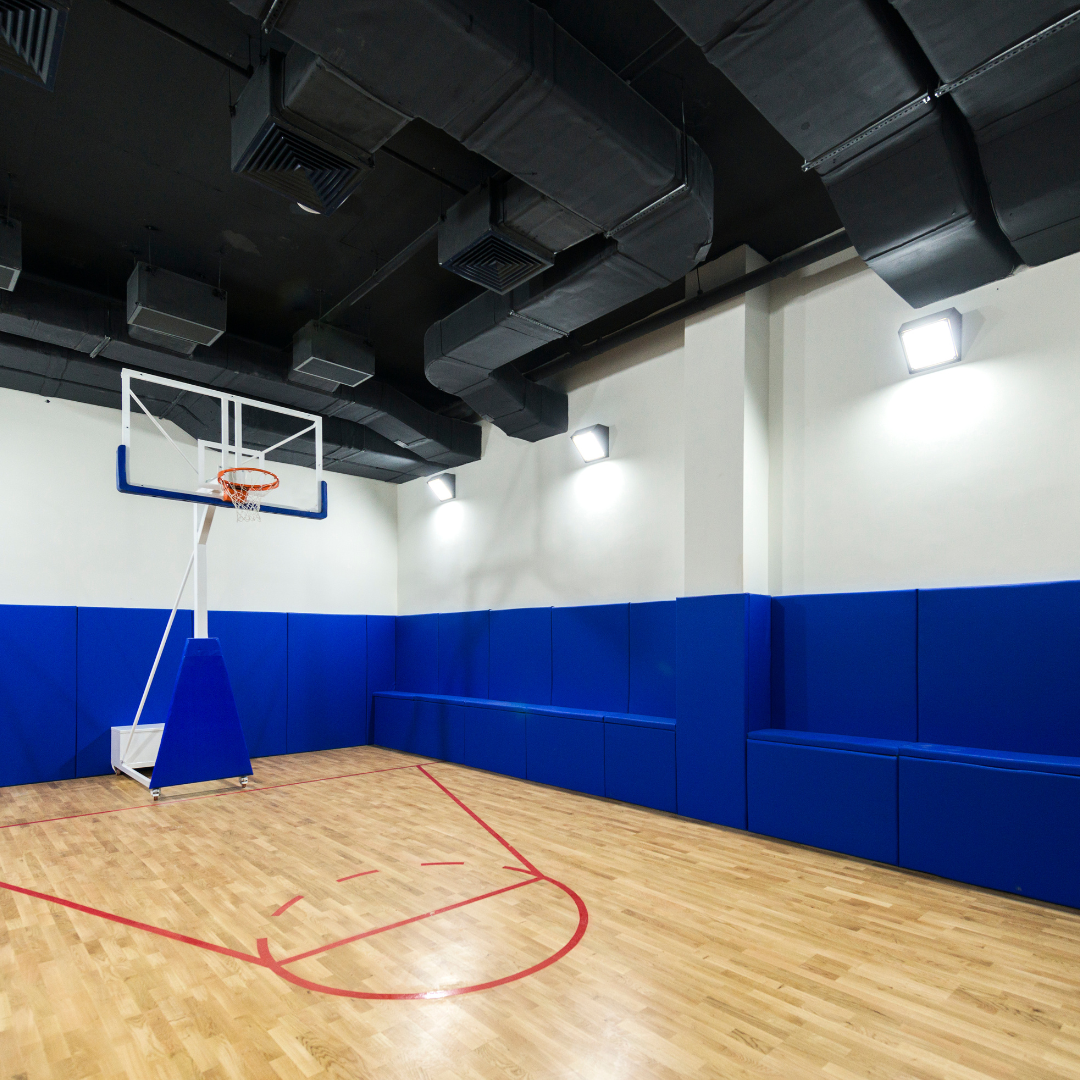
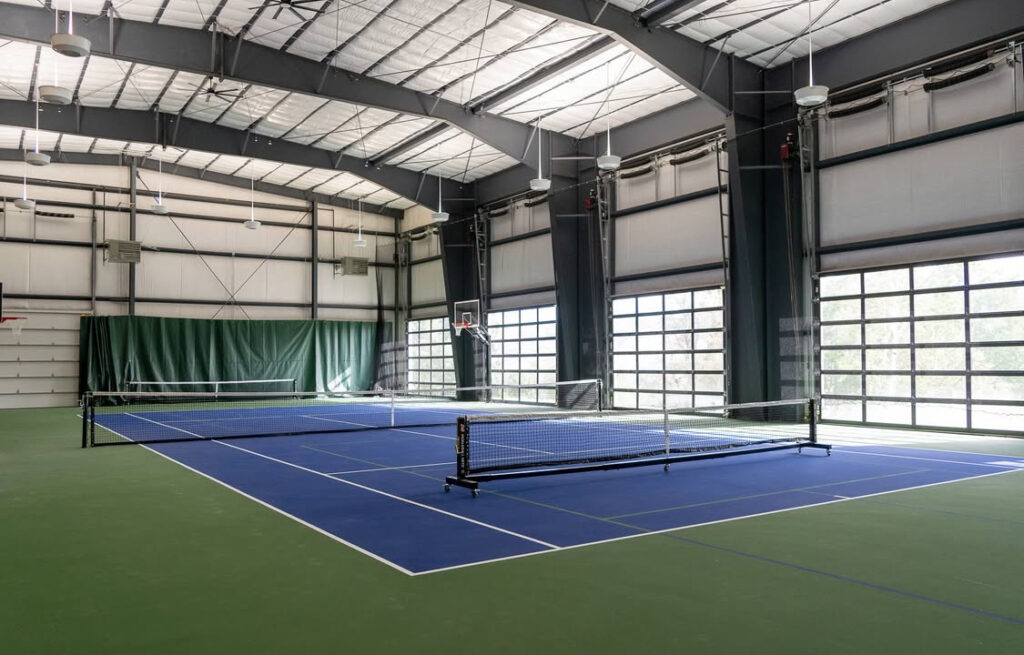
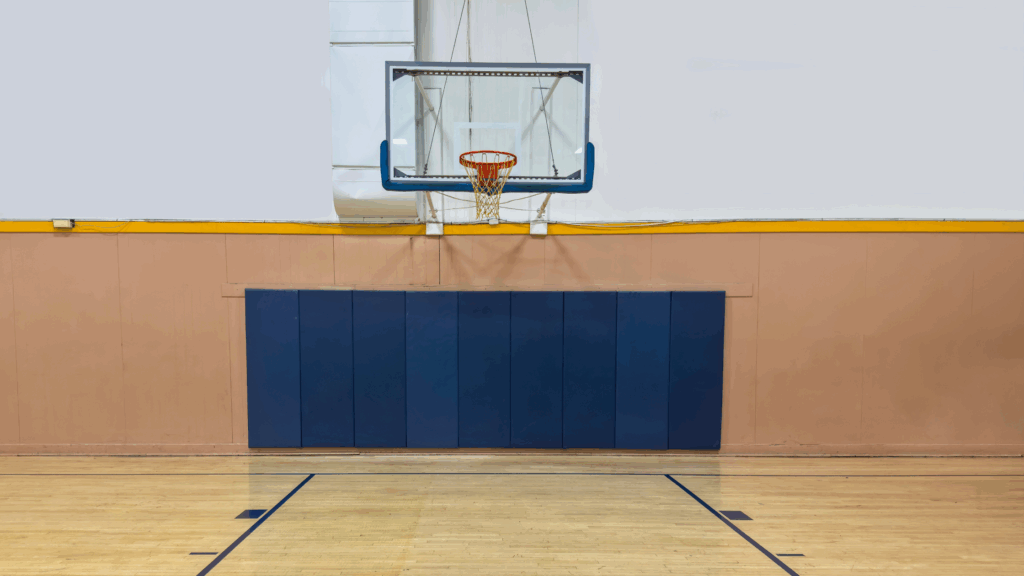
Padding – Wall pads protect players and add a professional look.
Soundproofing Panels – Reduces echo and noise travel to the rest of the house.
Durable Wall Paint – Scuff-resistant paints keep walls looking clean longer.
High Ceilings – Ideally 16–20 feet for a true playing experience and better ball clearance.
The hoop is the centerpiece of your court—choose carefully:
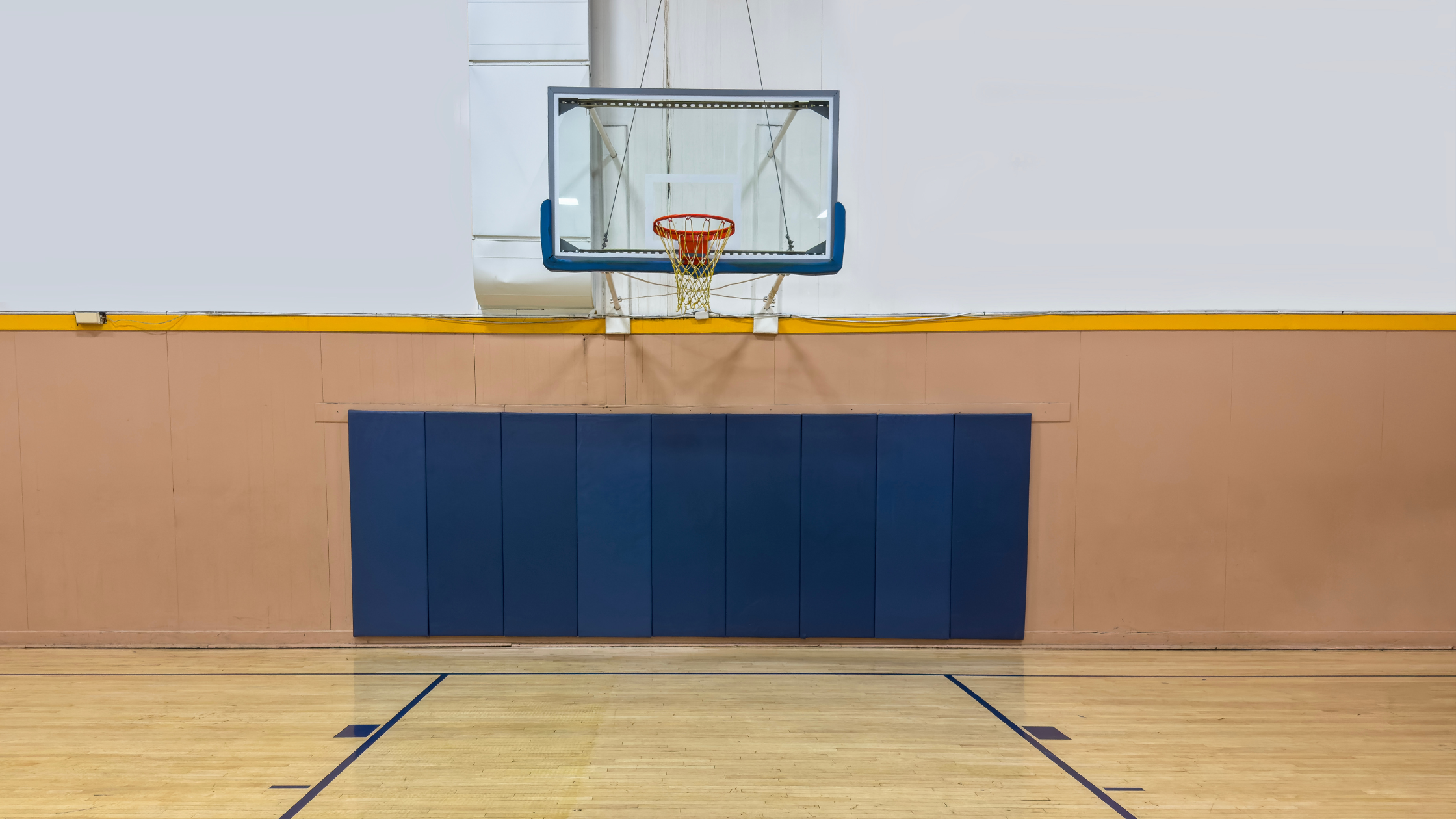
Fixed Wall-Mount Hoops – Sturdy and professional-grade.
Ceiling-Mount Retractable Hoops – Keeps the court versatile for other activities.
Portable Hoops – Flexible, but less seamless in appearance.
Backboard Materials:
Tempered Glass – True rebound, used in professional arenas.
Acrylic – Lighter, more impact-resistant, but slightly different ball bounce.
Proper lighting is essential for visibility and performance:
LED Overhead Lighting – Bright, energy-efficient, and low-heat.
Indirect Lighting – Reduces glare for a more comfortable game.
Dimmable Controls – Lets you adjust lighting for practices, games, or events.
LED Flooring – ASB GlassFloor makes a glass playing surface for sports arenas that can show animations,
Personalize your court with:
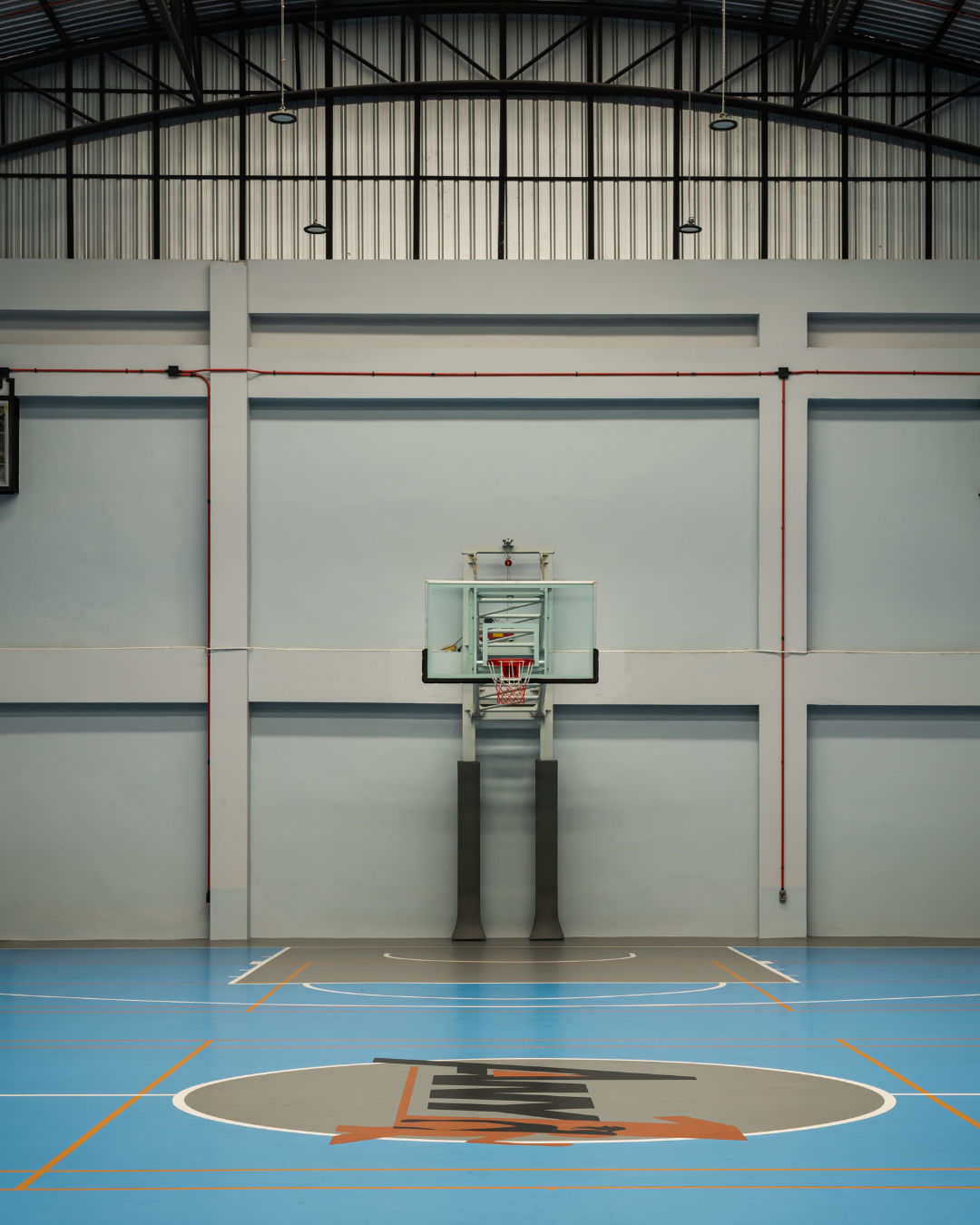
Custom Logos – Your family crest, initials, or favorite team’s colors.
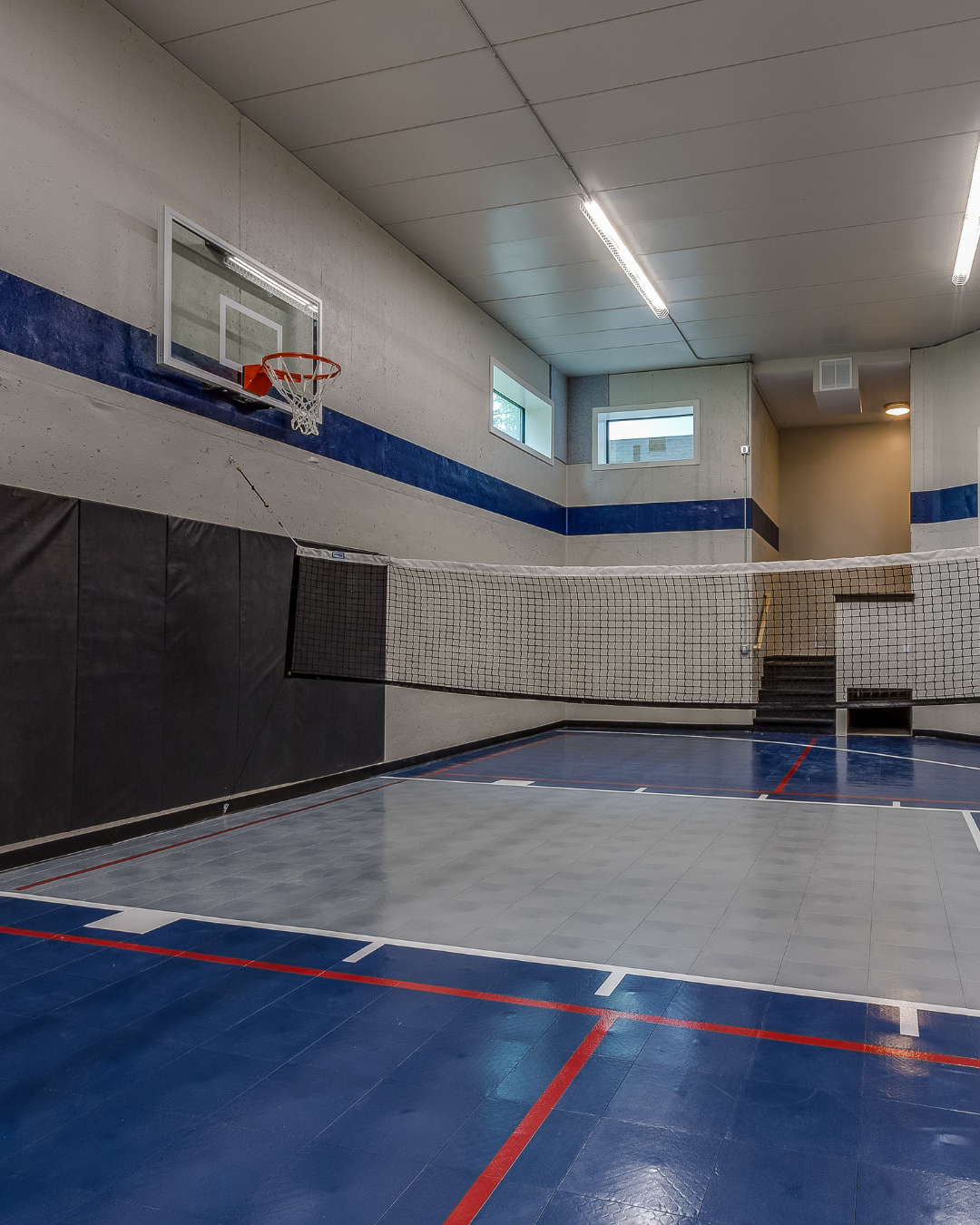
Multiple Sport Lines – Volleyball, pickleball, or badminton overlays.
Decorative Borders – Painted or stained to define the playing area.
Because indoor courts are active spaces, maintaining a comfortable temperature and airflow is crucial:
HVAC Integration – Keeps temperatures stable year-round.
Dehumidifiers – Prevents moisture damage to floors.
Ceiling Fans – Helps with airflow without affecting ball trajectory.
Make your court functional beyond the game:
Built-in Benches or Bleachers – Great for friends and family watching the action.
Ball Racks & Equipment Storage – Keeps the court clutter-free.
Locker or Changing Area – Adds a professional gym feel.
Non-Slip Surfaces – Reduce the risk of falls.
Protective Floor Coverings – For events or multi-use spaces.
Easy-Clean Materials – Make post-game cleanup simple.
Want to take your court to the next level? Consider:
Scoreboards – Wall-mounted digital or manual scoreboards.
Sound Systems – For music, announcements, or game commentary.
Video Cameras – For recording games and practices.
Glass Viewing Windows – Let spectators watch from another room.